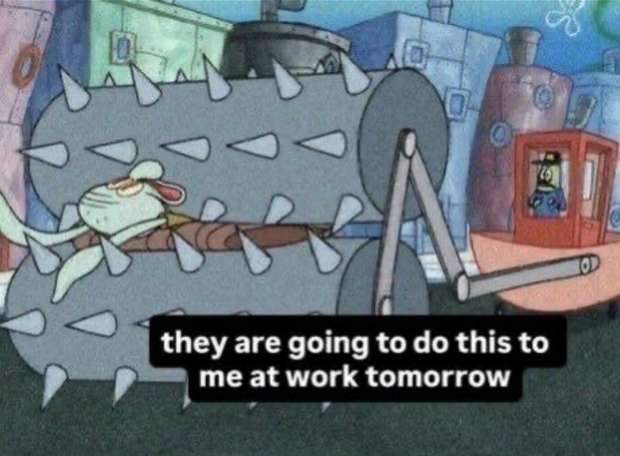
No matter what you believe about the afterlife, for the family members left behind when someone dies it mostly involves a mountain of paperwork. Death doesn't mean the IRS is done with you; in fact, they make one last ferocious push to get everything they can! While it's hard enough to grieve a loved one's passing, it's even worse to have the most tenacious government office in existence (just ask Al Capone) knocking on your door at the same time. Planning ahead can help you avoid the worst of it, so we're here to shed some light on what to expect.
Here are Five Fast Facts about death and taxes:
- ⚰️ It's (1040) EZ - The first step is handling the decedent's final income tax return, which covers everything they earned from the start of the year until the day they stopped breathing, proving that even the Grim Reaper can't scare off a tax collector.
- 😕 Inheritance Is Complicated - When it comes to inheriting retirement accounts, the rules get a bit murky, and many beneficiaries make mistakes - especially around the 10-year rule - that cost them big money. Fortunately, most families will avoid the federal estate tax, because you only have to pay it if the person who died was worth more than $15 million, which is a "rich person problem" most of us won't have to deal with.
- 🏠 All The Stuff - Clearing out a home full of stuff collected over decades isn't easy. Some of it may be worth money, and much of it may not. But all of it needs to have some sort of financial valuation put on it and reported (even donations). Because if you don't, then you're clearly embezzling and a smuggler.
- 📜 Prove It - Financial records are different from most of the other "stuff" left over. There may be periods of limitations on things like tax returns or other accounts, but getting rid of old paperwork too quickly may leave gaps that mean you owe more, and you can't prove otherwise. Settling an estate will only add to the pile, too. Oy vey.
- 🗺️ Location, Location, Location - Every state has its own rules and tax regulations for when someone dies. Some have estate taxes, many do not. Some have inheritance taxes, too. The point is that where you live makes a big difference, so be sure you have your "t"s crossed and your "i"s dotted or your beneficiaries could be on the wrong end of an oopsie.
🔥Bottom line: We're not trying to be morbid here, but death and taxes are (ironically) two certainties of life. They are very much linked together, and will have a big impact on those who are left behind. A little bit of planning today can prevent a giant, expensive headache tomorrow, ensuring that your money stays with your favorite people instead of getting lost in a black hole of legal fees and government confusion. Discussing taxes and funerals is about as exciting as watching paint dry in a dark room, but it’s the only way to make sure your legacy doesn't get audited. So, take the time to put your affairs in order (in writing) with a professional and talk with your family about it, because your family would much rather spend their time sharing stories about you than arguing with a computer at the tax office.
Do you have any advice from experience on this subject?
Let us know by connecting with us on Facebook and Instagram! Also, remember to share this newsletter with your friends & coworkers!
BTW, If you’ve read this far and haven’t yet signed up for the weekly Paycheckology newsletter, CLICK HERE!