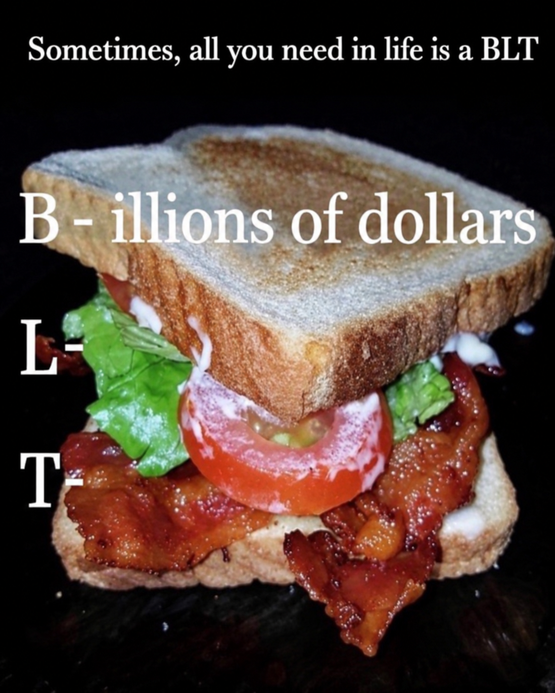
The bond market sounds like something only fancy Wall Street suits need to worry about, right? 👔💼 Welp, in reality, it plays a role in your everyday life, specifically in your mortgage rate, your car loan…even the job market. 🏦 And right now, experts are watching it pretty closely with some shaky nerves.
Bonds aren't the hottest happy hour convo, but understanding the basics can help you make smarter money moves. 🤓💲 No big-time finance degree required, just a few key ideas. Let's make sense out of these dollars. 🤸
Here's Five Fast Facts on the bond market:
1. 💸 I.O.U. - A bond works a lot like a loan. When a government or company needs money, it sells bonds, and the people who buy them are basically the lenders. In return, the buyer earns interest over time. The return investors earn is called the yield, and they generally get their money back when the bond matures, assuming the borrower pays up.
2. 🌀 Rightside Up - Now here's where brains get busted. Bond prices and bond yields usually move in opposite directions, like two ends of a seesaw. When bond prices drop, their yields rise. And lately, investors have been selling bonds, pushing yields higher. In fact, the 10-year U.S. Treasury yield recently climbed above 5.3%, reaching levels not seen in nearly 24 years. That's a big deal because those yields help set borrowing costs across the economy.
3. 💡 The Loan Link - Bond yields help steer the interest rates you pay to borrow, especially on a mortgage, which tends to track the 10-year Treasury yield closely. Here's where it hurts. The average 30-year mortgage rate just hit 7.40%, compared with 6.30% a year ago. On a $300,000 mortgage, that's roughly $220 MORE per month, or $2,640 a year, for the same loan! Car loans can feel the squeeze, too. For example, financing a $25,000 used car over five years at 10% interest instead of 8% adds about $24 to your monthly payment. Doesn't sound enormous, but that's money you can't spend on groceries, gas, or anything else.
4. 📊 Stocking Up - Bond investors and stock investors tend to care about different things. Bond buyers mostly want to know they'll get paid back, while stock buyers bet on company profits. This is why the stock market can be flying high while the bond market flashes warning signs…something we've seen this year. And if you've got a 401(k), there's another twist. When yields climb, existing bonds in retirement funds can lose value, even while stocks are doing well. Higher yields can be good news for people buying new bonds, but not necessarily for folks already holding older ones.
5. ⛵ Your Captain, Speaking - A calm bond market usually means smoother sailing for the economy. A jumpy one can be a heads-up that rough seas, like rising costs or slowing growth, may be ahead. And this can hit even if you never borrow a dime. When businesses face higher borrowing costs, they might delay opening another location, buying new equipment, or hiring more workers. The Federal Reserve has already reported some developers postponing construction projects while waiting for cheaper financing. That could mean fewer jobs or work hours for builders, electricians, truck drivers, and other working Americans. When businesses can't afford to expand, pay raises and new opportunities can get harder to come by.
🔥 Bottom line: The bond market might not directly shrink your paycheck, but it can certainly eat into what that paycheck buys. Higher yields can mean bigger mortgage payments, more expensive loans, and fewer opportunities for workers. Before taking on a big loan, compare rates and calculate what those extra interest charges will really cost. Your paycheck will thank you!
Did you know bonds had this much reach?
Let us know by connecting with us on Facebook and Instagram! Also, remember to share this newsletter with your friends & coworkers!
Btw, If you’ve read this far and haven’t yet signed up for the weekly Paycheckology newsletter, CLICK HERE!